
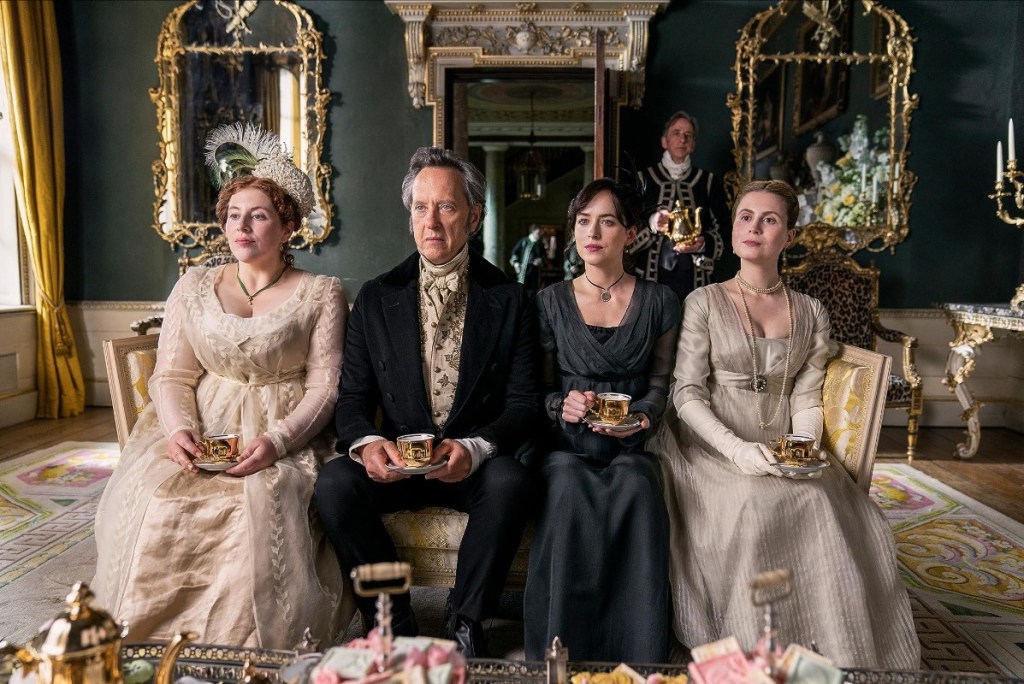
GEORGIAN ERA 1714-1837
The term Georgian is typically used in the contexts of social and political history and architecture. It was a time of immense social change in Britain, with the beginnings of the Industrial Revolution which began the process of intensifying class divisions and the emergence of rival political parties like the Whigs (Liberal) and Tories (Conservative).
In rural areas the Agricultural Revolution saw huge changes to the movement of people and the decline of small communities, the growth of the cities but, nevertheless, as rural towns and villages declined and work became scarce there was a huge increase in emigration to Canada, the North American colonies (which became the US) and other parts of the British Empire. The Georgian period saw continual warfare, with France the primary enemy.
The era was prosperous as entrepreneurs extended the range of their business around the globe. By the 1720s Britain was one of the most prosperous countries in the world. Mercantilism was the basic policy imposed by Britain on its colonies. It meant that the government and the merchants became partners with the goal of increasing political power and private wealth.
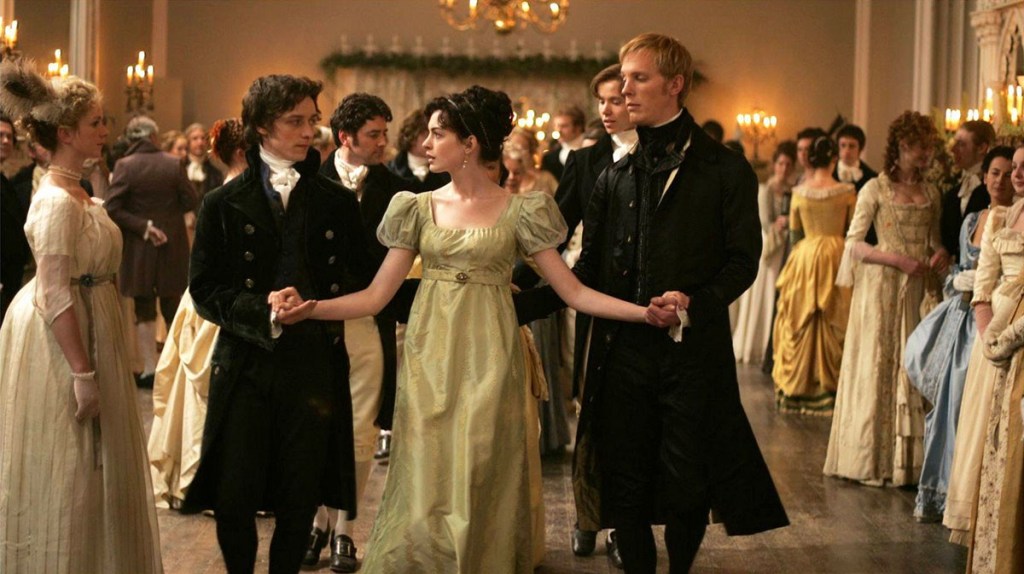
THE REGENCY ERA 1795 – 1837
George III first suffered debilitating illness in the late 1780s and George, his eldest son, was appointed prince regent in 1811.
Although the regency era is remembered as a time of refinement and culture, that was the preserve of the wealthy few. For the masses, poverty was rampant. This timespan recognises the wider social and cultural aspects of the Regency era, characterised by the distinctive fashions, architecture and style of the period.
The Regency era overlapped with Romanticism and many of the major artists, musicians, novelists and poets of the Romantic movement were prominent Regency figures. England during the Regency era was a stratified society in which political power and influence lay in the hands of the landed class or Landed Gentry.
Jane Austen, Lord Byron and others were prominent writers of the Regency era. Wealthy households staged their own music events by relying on family members who could sing or play an instrument. The plays of William Shakespeare were very popular throughout the period.
Women were discouraged from exertion although many did take the opportunity to pursue activities such as dancing, riding and walking that were recreational rather then competitive.
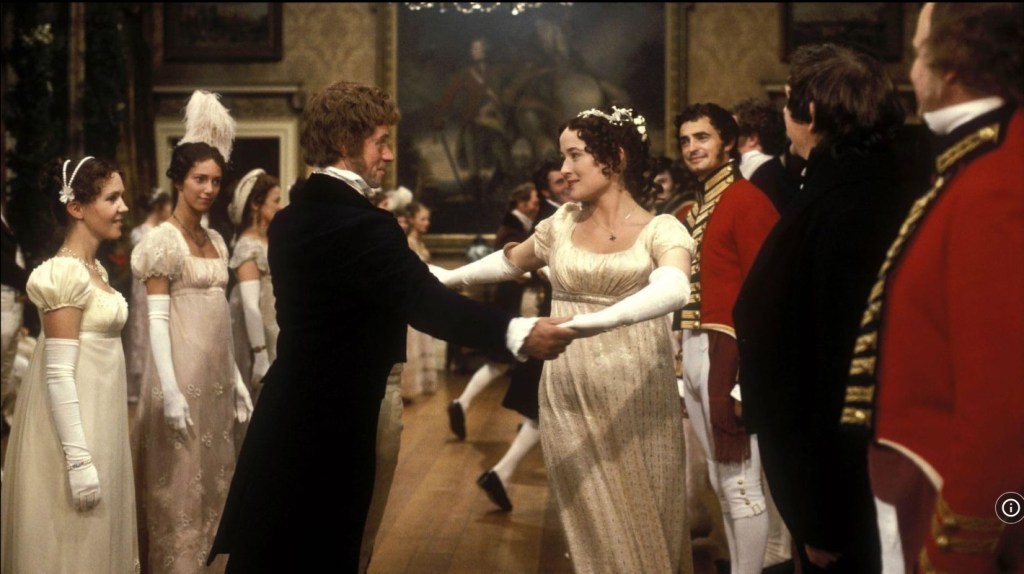
THE BALL
One of the most beloved activities of the aristocratic and the wealthy all through the long Georgian era, was dancing. It was considered an essential “accomplishment” for both ladies and gents, including even military gentlemen, not just for the sake of dance itself, but to have the proper elegance and poise in society. In fine families, children were taught by the dancing master as well as at school, if they attended one. In a book of 1788, on letter writing for young people, one sample letter is from a son to his father, who apparently considered his offspring too much of a weakling for dancing. The young man absolutely begs his father to allow him to partake of dance lessons so that he might no longer be ridiculed by other young gents for not knowing how “to walk well, to make a bow, how to come properly into a room, and to go out of it.”
For somewhere to show off one’s poise and training as well as, of course, to form and progress courtships and matches, or simply to mingle, the Ball had pride of place. This was most certainly true in Regency England. The privileged classes came together in public halls and private houses, or even outdoors, weather allowing, to dance the night away. Balls might be immense events planned months in advance for hundreds of invitees. In large private mansions and country houses, they were also an opportunity to show off wealth, and compete to host the most sought-after ball of the season. Who was, and who wasn’t invited, was to be noted. On the other hand, spontaneous, smaller eruptions of dancing might also happen in any drawing room by just moving the furniture aside.

 people & places
Leave a comment