
The Annals of Niagara by William Kirby published 1896:
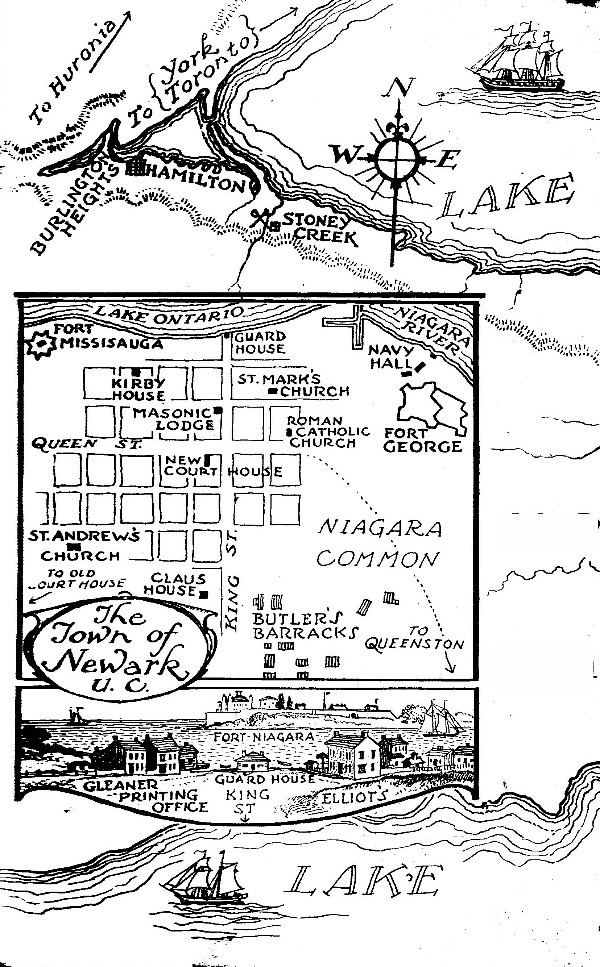
The new town was carefully laid out in broad streets crossing at right angles with open spaces left for markets, barracks, churches, court house and other public buildings. The houses were at first principally of square timber and round logs. The landing from Fort Niagara was at the foot of King Street. Navy Hall, an old winter quarter for government sailors on the lake, was at the end of Front Street, under the bank where Fort George was subsequently built. Two or three well-frequented taverns invited wayfarers and newcomers to rest and get refreshment. Merchants and traders moved over into the new town. The Taylors, the Lymburners, the Streets, Clarks, Dicksons, Crooks [these names were later involved in Nichol Township] and others opened stores and carried on a large trade with the district and in all the western country. Their goods were brought up from Montreal in batteaux and returned laden with furs, which as yet were the only article of commerce which the country produced for export.
The country was covered with the smoke of the clearings. On every side rang the stroke of the woodman’s axe, and the thud of the fall of the monarchs of the forests. The land was densely wooded. The oak, red, white and black; the maple of several varieties; the elm, beech, hickory, walnut, ironwood, pine and cedar, gave the settler labor to cut them down, either for fuel or to use for the building of his houses and barns, or to fence his newly cleared fields. Incessant was the warfare carried on against the forest, and half a man’s life was gone before the land was fully cleared.
The Loyalists were a hardy, laborious race, thrifty and provident. Their first care after clearing and sowing their fields with wheat, maize, oats, barley and other grains, was to plant orchards of apples, pears, plums, cherries and lastly peaches. But at first the people had to wait until the land was cleared, sown and reaped, and for two or three years they were supported from the King’s stores.
All owned land, for the King gave every man, woman and child 200 acres in fee simple, and the surveyors could not lay out the land fast enough for the multitude of settlers who came in from 1783 to 1792.
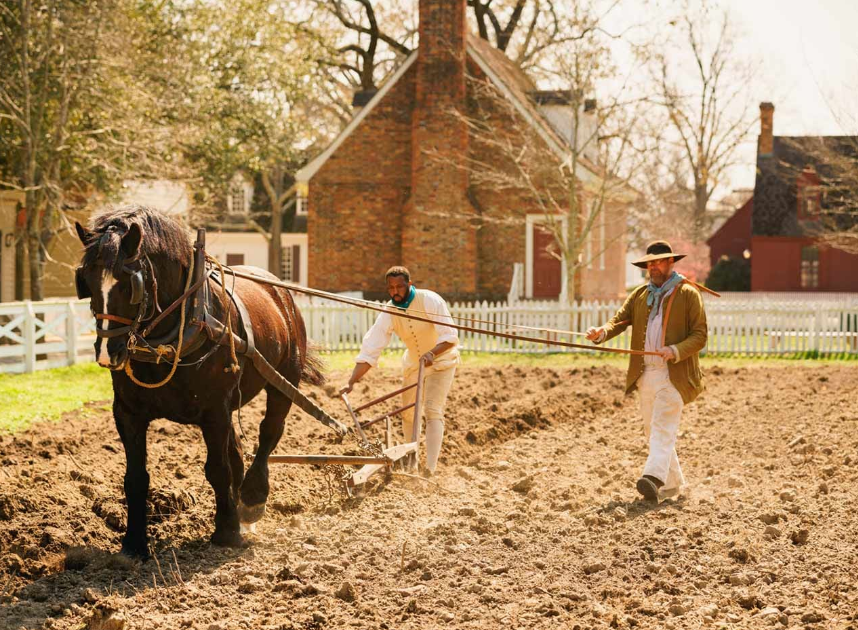
The summer was a season of labour. The winter also gave plenty to do in threshing out the grain with flails or horses, and chopping in the forest, with abundance of visiting and merrymaking at the hospitable farmhouses. The long war, the losses, confiscations and oppressions were never forgotten nor forgiven, but were not grieved over. The present and future were full of joy and hope and pride in their country and its place in the Empire, which they would not exchange for aught else that American had to offer.
Butler’s Barracks were built at this time, in order to relieve the crowding of troops at Fort Niagara. The Six Nations, settled on the Grand River, made Niagara their chief town. They built a large council house near Butler’s Barracks. The deputy-superintendent, Colonel Butler, resided here, and here, all important business of the Six Nations was transacted. The large council room was arranged for kindling the council fires, and was often in use by the tribes. It was also used for divine service by the Church of England until the Church of St. Mark’s was erected, about 1804.
During the first few years of the settlement people were too busy in laying the foundations of the town and opening up the country to give time to much thought of society. The women were refined and clever, as became ladies brought up in the best classes of the old colonial regime. The elegancies of life were not forgotten; year by year they gathered them together and family after family lifted up their heads as people who knew what the refinements of civilized life consisted of and surrounded themselves with them. In four or five years, Niagara was mentioned with respect and admiration, as a community of ladies and gentlemen who gave a tone to the whole of the province. This became still more the case after the advent of Governor Simcoe and his noble wife in 1792, when the formation of the new government of Upper Canada brought to Niagara the ‘best people’ in the province, to the seat of government, and the newly recovered signs and symbols of polite life and civilization spread, as from a centre, throughout this county.
The ladies who gave tone to polite society in Niagara, and spread refinement and good manners to the rest of the provinces, were honour with the chivalrous devotion and respect of the UE Loyalists. The women were worthy of the men – no higher eulogium need be said of them. [there is a list of 41 Misses] The above ladies were in time the progenitors of hundreds of families now existing in the Niagara District, and, indeed all over the Province of Ontario.
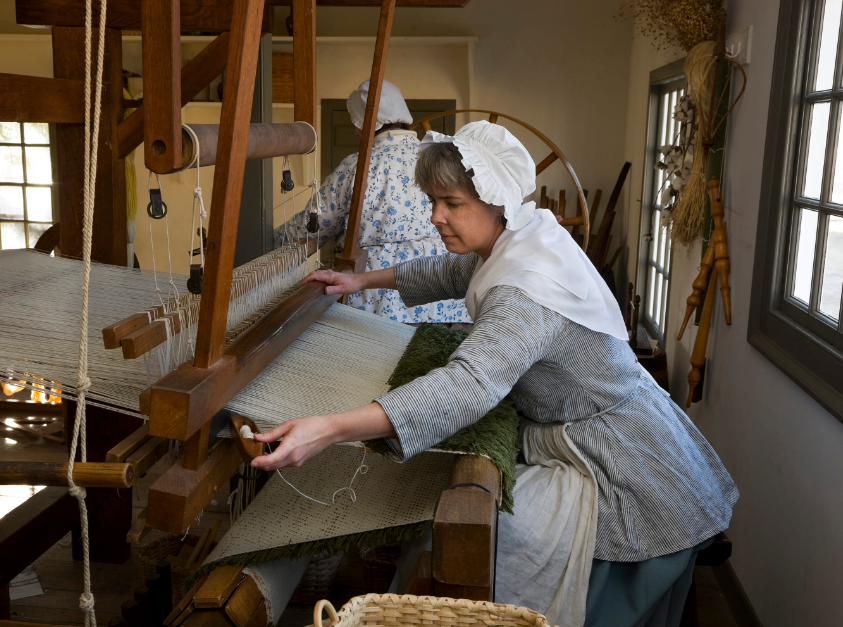
They made the best of the situation, with cheerfulness and courage. The high price and scarcity of articles of clothing, which alone could be obtained from Montreal, created an immense home industry. As soon as wool was got from the flock, the women’s skilful, industrious hands carded, spun, dyed and wove it into plain, not unhandsome, cloths for their own and men’s apparel. The hum of the spinning wheel and the clack of the loom were familiar sounds in every farm house.
Flax was also cultivated, and the spinning and weaving of linen for home use was a feature of the times, and excellent fabrics, even “seventeen hundred” linen, as white as driven snow, supplied the household with all it needed. In the house of the writer is preserved linen from flax grown, spun and woven in the Township of Niagara a century ago
Life was not dull with them. The Loyalists were a social, kindly people, visited each other much, and enjoyed in common such simple, hearty amusements as were attainable. Balls and parties of pleasure were common, and surprise was always created by the unexpected stores of lace, jewelry and handsome dresses with the women and girls were able to display on gala occasions.
The first nations, of which the town was generally full, had great matches of lacrosse on the common, where also horse racing, militia training and reviews of the regulars were held on the King’s birthday and at other special times. Christmas and Easter were observed with decorum, but on New Year’s morn the young militia men went round in companies, and fired feux de joie at the houses of their friends before daylight.

 people & places
Leave a comment